
Know Your Rights. Understand the Rules. Make Your Voice Heard.
The freedom to assemble is one of America’s most important constitutional rights.
It gives you the ability to gather with others, to petition for change, to celebrate shared values, and to make your voice heard. Peaceable assembly takes many forms, from demonstrations, marches, and rallies to other kinds of collective expression and civic engagement.
The right to assemble works with other First Amendment freedoms, including speech and petitioning the government. Together, these protections allow individuals and groups to participate in public life, advocate for causes, express shared ideas, and engage with their communities.
But exercising your rights means understanding them. Knowing where and how those rights apply, what responsibilities may come with gathering in public, and what rules may govern a particular location can help individuals participate more confidently and responsibly.
Know Your Rights
The First Amendment Protections
The First Amendment to the United States Constitution protects the fundamental freedoms of speech, religion, the press, petitioning the government and peaceable assembly. The First Amendment protects the individual from government interference. The right to peacefully assemble protects more than protest. It includes many forms of collective expression and civic engagement.
Free Speech and Free Assembly
Freedom of speech protects expression. Freedom of assembly protects the ability to peaceably gather with others for expressive purposes. These rights often work together.

Peaceful Protest FAQ
Permits
Private Property
Recording Police
Protected Speech
Law Enforcement
Dispersal Orders
If Arrested
Before You Go
Q: Where can I peacefully protest?
A: Public sidewalks, parks, and other traditional public forums generally provide significant First Amendment protections. You can picket or leaflet alone or in small groups without a permit as long as you don’t block streets, sidewalks or entrances.
However, rules vary depending on the location, the nature of the activity, who manages the property, etc. Public streets, government buildings, national parks, and private property have different requirements.
Q: Do I need permission to hold a protest?
A: Sometimes, but not always.
Small, peaceful gatherings on public sidewalks may not require permits if participants do not block pedestrian access or interfere with other lawful activities.
Larger events such as marches that involve street closures, gatherings using amplified sound, or other specific requirements may require local permits. Review the permitting information on this page before organizing an event.
Permit rules must be content-neutral and leave room for spontaneous protests about current events.
Q: Can I protest on private property?
A: Not necessarily. Private property owners may establish rules governing access and activities to their property, subject to applicable law.
Q: Can I record police officers?
A: Generally, people have the First Amendment right to record police officers performing their duties in public, provided they do not interfere with those duties. Other laws and restrictions may apply depending on the specific circumstances.
Q: What is and is not protected?
Protected: Speech, marching, chanting, leafleting, signs, t-shirts, puppets and other symbolic speech.
Not protected: Civil disobedience such as sit-ins or blocking entrances, violence, property damage, threats, and incitement to imminent violence.
Q: What should I do if law enforcement approaches me?
A: Remain calm. Avoid physically interfering with law enforcement officers.
You may ask if you are free to leave. If you are detained or arrested, your legal rights vary depending on the specific circumstances.
Say you do not consent to a search, but do not physically resist.
You should speak with an attorney and you should avoid physically resisting arrest, even if you believe the officer’s actions are improper.
Q: Can the police order a crowd to disperse?
A: Under certain circumstances, law enforcement may issue a lawful dispersal order.
The legality of a dispersal order depends on the facts, applicable laws, and constitutional protections.
If a dispersal order is given, follow any instructions and proceed to a safe route to leave.
Q: What if I am arrested?
A: You have important constitutional protections, including the protection against unreasonable search and seizure, and certain rights concerning questioning and legal representation.
If you are arrested, you may remain silent and request an attorney.
In Pennsylvania, you do not have to show ID on demand, although refusing to do so may lengthen detention.
If arrested, say you will remain silent and ask to call a lawyer. Do not discuss your case in jail or on phones.
Write down badge numbers and ask for witness names.
Q: What should I know before I go?
A: Know the access and exit routes for the protest or gathering.
Tell someone where you’ll be.
Bring ID, water, medication.
Charge your phone and turn off face or finger print unlock features.
Review the ACLU Protesters’ Rights guide before attending or organizing a protest.


Permits
Know the Rules Before Gathering
Permitting requirements may vary considerably by municipality, the size of the event, the location, the time, and the type of activity.
An event on a Philadelphia sidewalk may be subject to different rules than marching on a street. Gatherings on federal land have their own specific permitting regulations.
Location
Where will the event take place?
Identify exactly where the event will take place and who manages that property. Requirements can differ depending on whether the gathering is on a sidewalk, street, park, plaza, government property, or federal land.

Attendance
How many people are expected?
Estimate how many people are expected to participate. Group size may affect permitting requirements, available space, crowd management, accessibility, and the services needed to safely accommodate the gathering.

Route
Will participants remain in one location or move along a route?
Determine whether participants will remain in one location or move along a planned route. Marches and processions may involve additional considerations such as intersections, traffic control, street closures, and pedestrian access.

Access
Are streets or sidewalks needed for the event?
Consider whether the event will use streets, sidewalks, entrances, or other public access areas. Organizers should understand how the gathering may affect pedestrian movement, vehicles, nearby businesses, and access to surrounding properties.

Equipment
Will amplified sound, video, structures, or other equipment be needed?
Identify any equipment the event may require, including amplified sound, video equipment, stages, tables, tents, signs, lighting, or temporary structures. Some locations have separate rules or approvals for these items.
Rules
Does the location have any specific requirements, restrictions, or rules that apply?
Review the specific requirements for the proposed location before finalizing plans. Rules may address permits, application deadlines, group size, hours of use, sound, structures, safety, accessibility, and other site-specific restrictions.

City of Philadelphia
Protest Permitting Resources
Some public gatherings and protests may require local permits. In Philadelphia, the requirements depend on where the gathering will take place, the size and nature of the event, and whether City property, equipment, services, streets, parks, or other public spaces will be used.
The City of Philadelphia Office of Special Events coordinates permits for demonstrations and other events using City property or requiring City services. Demonstration applications generally should be submitted at least five business days before the proposed event. The City provides an exception for spontaneously planned demonstrations responding to recent events, announcements, or decisions.
Events taking place in Philadelphia parks, recreation centers, or other Parks & Recreation property may be subject to a separate permitting process. Organizers should identify the exact location first, then confirm which City department is responsible before making final event arrangements.
Before applying, be prepared to provide the proposed date and time, location, anticipated attendance, route if applicable, equipment or amplified sound needs, accessibility considerations, and any City services that may be required.
National Park Service
Federal Park & Historic Site Permitting
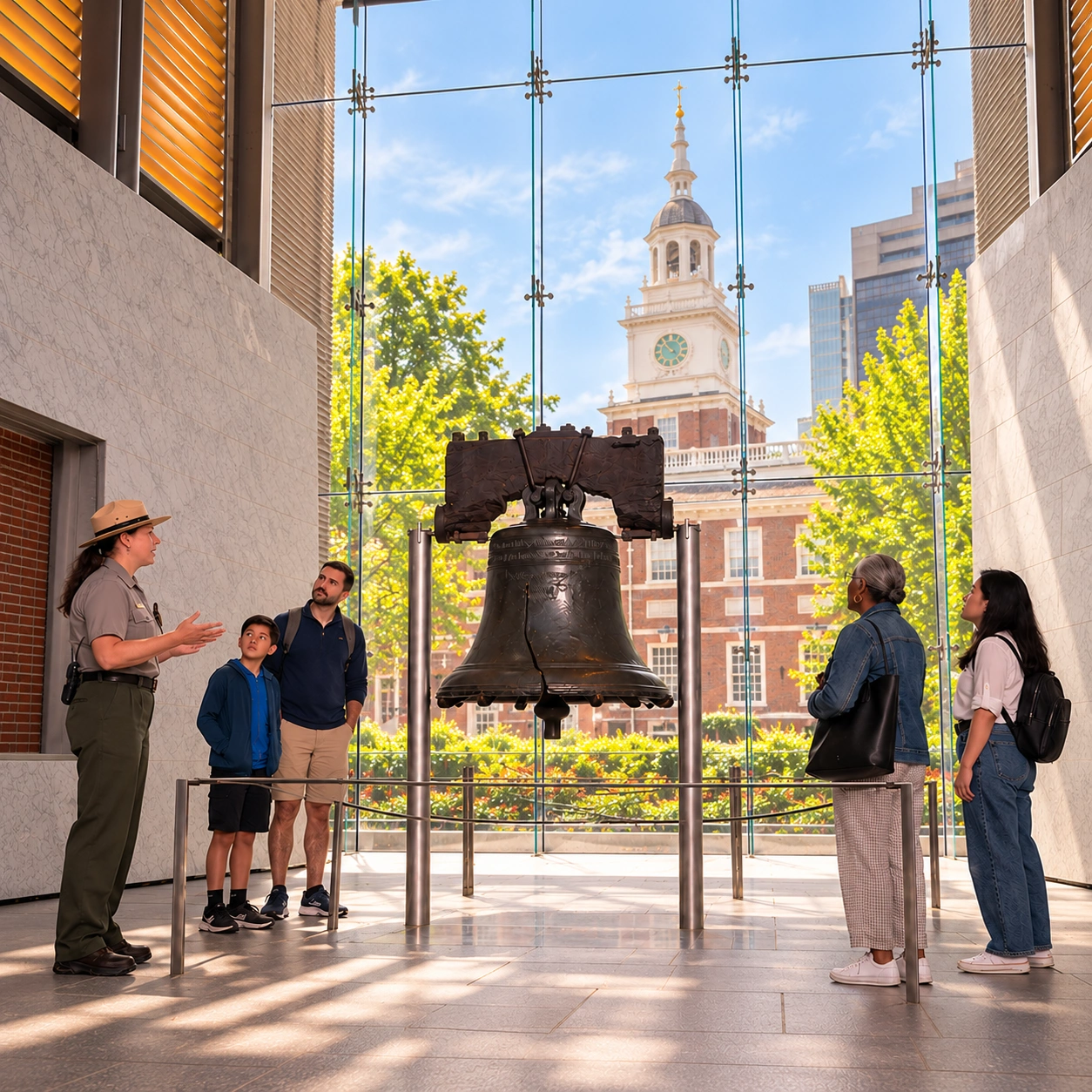
Philadelphia is somewhat unique because many of the city’s most significant historic public spaces are part of Independence National Historical Park and are managed by the National Park Service rather than the City of Philadelphia.
Many historic sites and federal park properties, including locations within Independence National Historical Park, have specific rules governing demonstrations and organized gatherings.
At Independence National Historical Park, groups of 25 people or fewer may generally conduct First Amendment activities without a permit in designated areas when they are not using stages, platforms, structures, amplified sound, or collecting donations. Larger groups, or activities involving those additional elements, generally require a National Park Service Special Use Permit.
First Amendment permits are issued without application fees or cost-recovery charges. Applications may be submitted up to one year in advance and are considered on a first-come, first-served basis.
Before planning a gathering on federal property, confirm that the proposed location is an approved demonstration area and review the rules for attendance, signs, sound amplification, structures, equipment, and other planned activities.
Surrounding Municipalities
Regional Protest Permitting Resources
Permit requirements can vary significantly across the Greater Philadelphia region. In Pennsylvania, organizers planning gatherings in Bucks County, Montgomery County, Delaware County, Chester County, and other surrounding communities should confirm the requirements of the municipality or agency responsible for the proposed location.
Who issues a permit often depends on who owns or manages the property. County governments may regulate gatherings on county parks, trails, courthouses, or other county-owned property, while marches or events using local streets, sidewalks, municipal parks, or public spaces may instead require approval from a borough, township, city, police department, parks department, or another local agency.
Requirements also differ across state lines. Organizers planning events in New Jersey, including communities in Camden County, Burlington County, Mercer County, and elsewhere in South Jersey, should review both municipal requirements and any rules that apply to state-owned property. New Jersey State Park Service properties have their own permitting process for organized activities and demonstrations.
Similar distinctions apply in Delaware, including New Castle County and municipalities throughout northern Delaware. County, municipal, and state-owned properties may each be governed by different agencies and permitting procedures.
Before announcing an event, identify who owns or controls the proposed location and contact that agency directly. Ask about permits, group-size requirements, street or sidewalk use, route approval, amplified sound, structures or equipment, insurance, application deadlines, accessibility, and any restrictions specific to the site.
Public Meetings
Before Attending A Public Meeting
Public meetings provide people with an opportunity to have their voices heard, express concerns, advocate for causes, and engage with elected officials.
City councils, school boards, county commissions and other public bodies often have opportunities for public engagement.
However, each organization has its own rules for participation.

Review the Agenda
Understand the topics for the meeting and the time permitted for public comment.

Check registration requirements
Some public bodies may require people to register in advance.
Understand limits
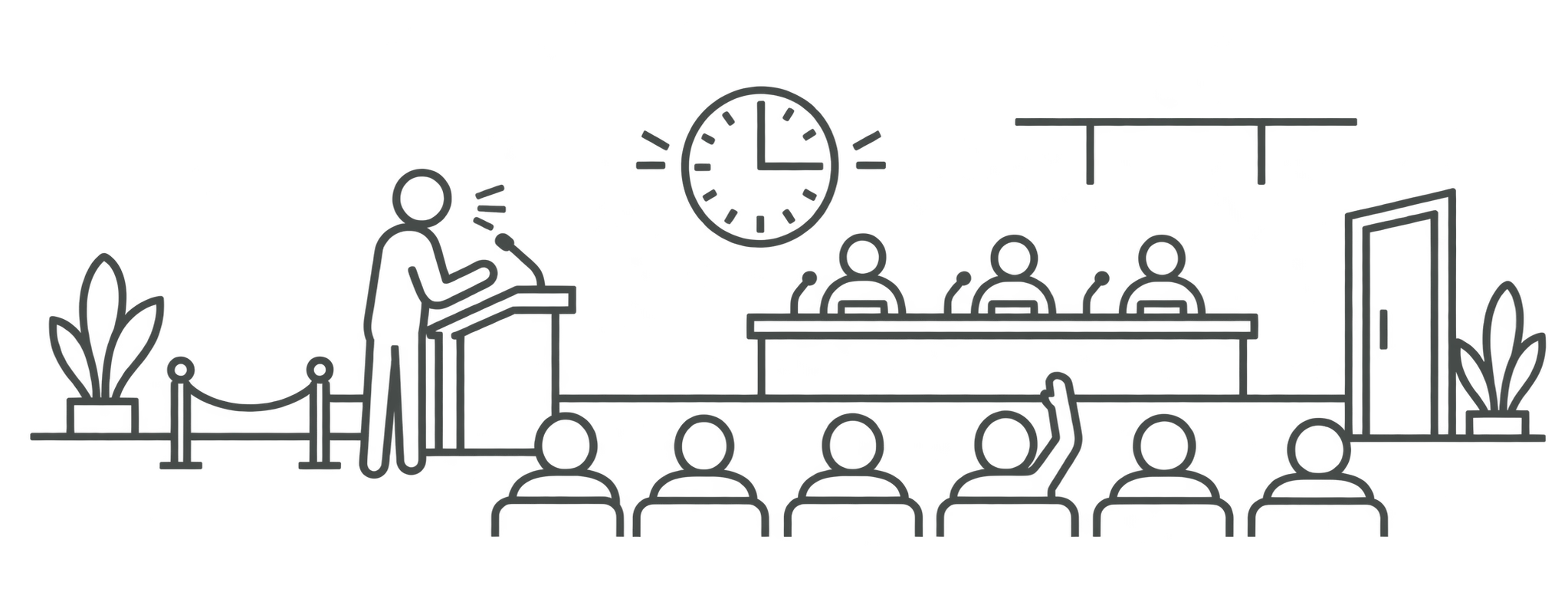
Public comments may be subject to time constraints and other limitations. Speaking at a public event does not give an individual the right to harass elected officials. Rules or limitations related to decorum and civic discussion may apply.

Be prepared
Have your remarks prepared. Prepare a concise, well constructed presentation.
Be respectful
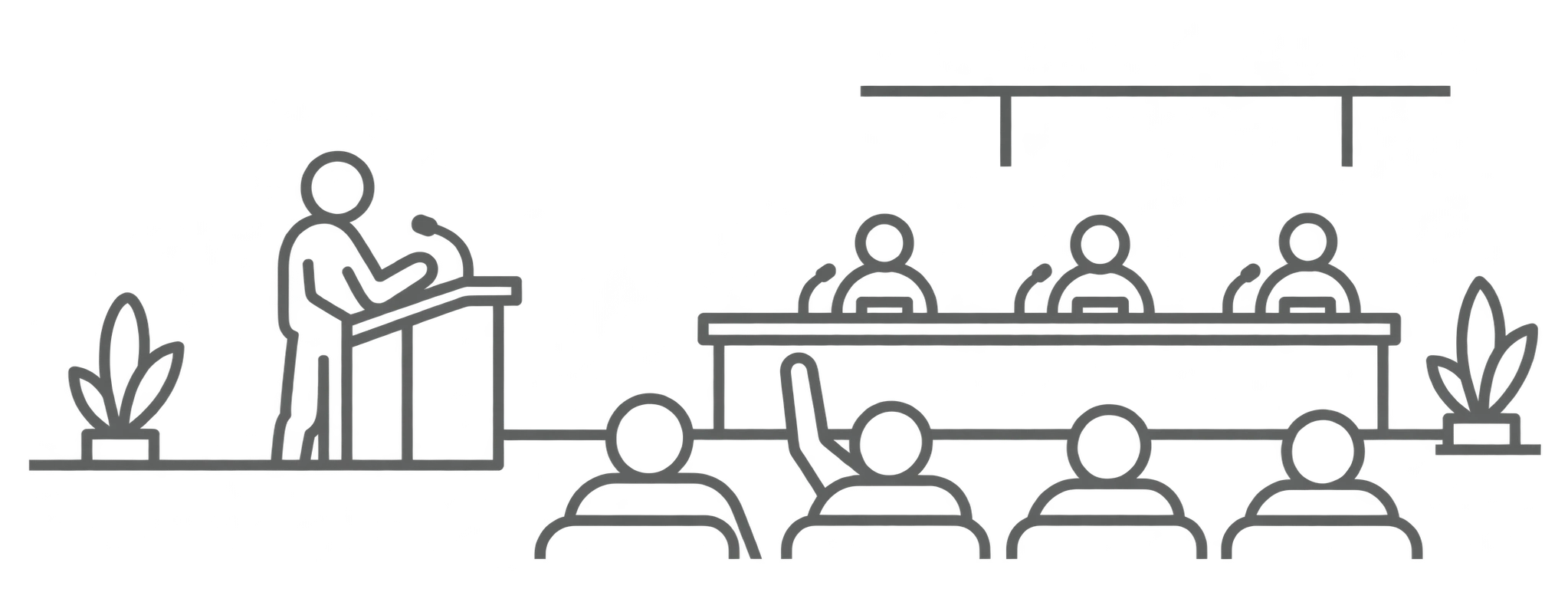
Public bodies may enforce rules or regulations designed to maintain order and decorum.
Contact Your Elected Officials
Make Your Voice Heard Directly
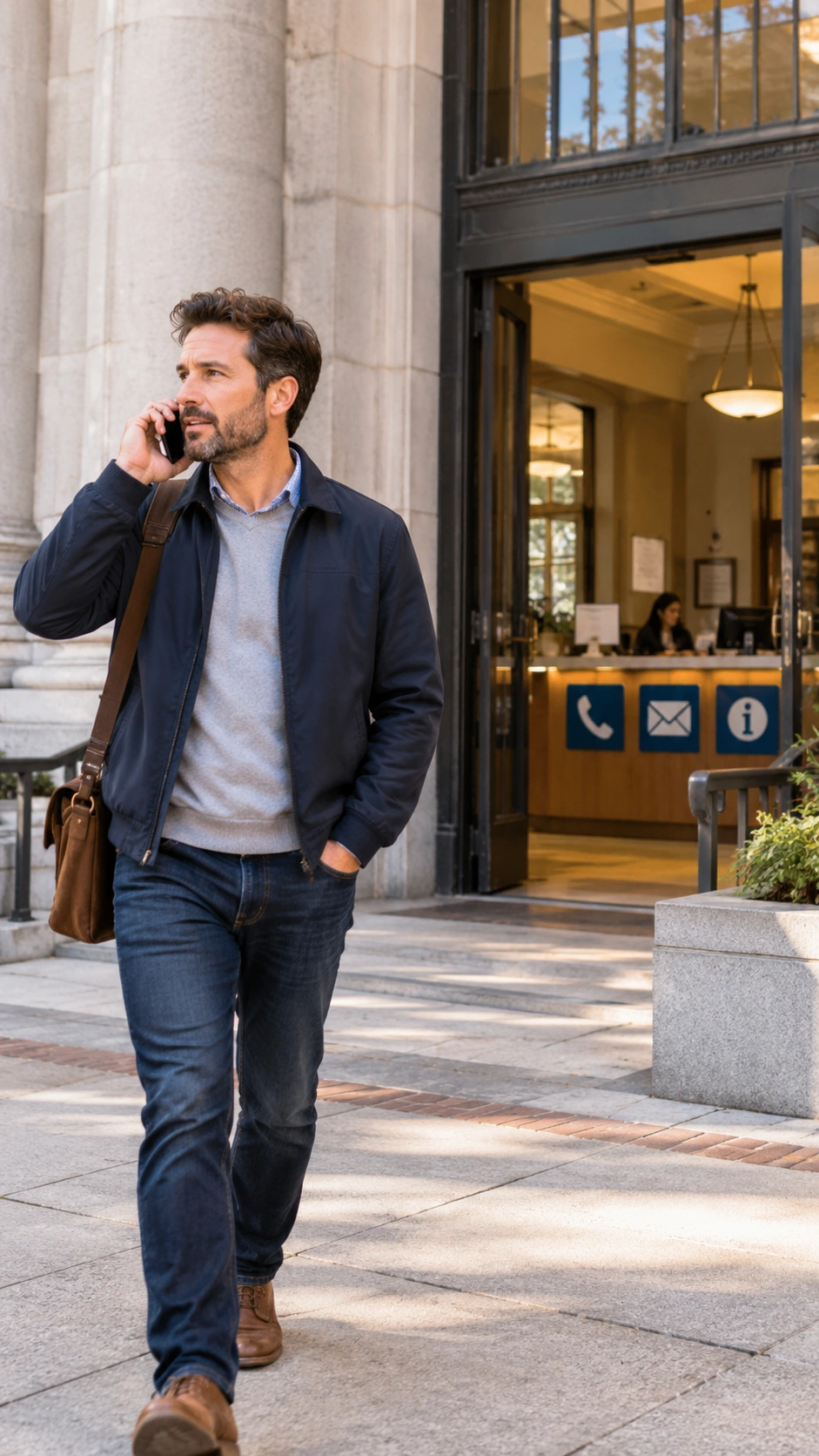
You don’t have to attend a public meeting or council session to be in contact with your elected official.
Mailing, calling, or emailing elected officials is an effective way to advocate for a cause or issue.

Committee of Seventy
The Committee of Seventy is a nonpartisan civic leadership organization that works to strengthen representative, ethical, and effective government in Philadelphia and across Pennsylvania.
Founded in 1904, the organization has spent more than a century helping residents understand how government works, encouraging civic participation, improving elections, and promoting transparency and accountability in public institutions.
Its resources can help residents better understand local government, elections, public officials, and opportunities to participate in civic life. Seventy also provides programs and educational tools designed to make government more accessible and help people engage more effectively with the officials and institutions that represent them.



Polling Places
Polling places are at the heart of a democracy, so there are important rules aimed at ensuring people have the ability to cast their vote without undue pressure or interference.
Rules vary by state and depend on a person’s role as a voter, poll watcher, campaign representative, or member of the press. In some states like Pennsylvania, certain campaign activities are restricted within designated areas at a polling location.

Who Is Allowed Inside A Polling Place
- Voters and people waiting to vote.
- Election officials, judges of elections, inspectors, clerks, and overseers.
- County Board of Elections members.
- Credentialed poll watchers: Up to 2 per candidate and 3 per party in each district with only 1 of each inside at a time.
- Constables, and other peace officers, only when the judge of elections calls them.
What Is Not Allowed Inside A Polling Place?
- Anyone without one of those roles above, inside a polling place or within 10 feet of it.
- Campaigning within 10 feet of the entrance; asking for votes, signs, handing out materials.
- Poll watchers approaching or talking to voters, or challenging votes based on race, language, appearance, or religion.
- Police within 100 feet unless voting, called by an election official, or keeping the peace at the request of officials or three voters.
- Intimidating, threatening or coercing voters, anywhere and at any time.
Resources
Continue Learning About Liberty
Understanding the freedom to assemble also means knowing where to find reliable information, educational materials, and opportunities for civic participation.
The resources in this section provide additional ways for students, families, organizers, and community members to learn about their rights, better understand government and civic institutions, and engage more effectively in public life.
Explore the organizations, guides, and tools provided here as starting points for continued learning and participation.
Civic Participation & Government
Committee of Seventy
The Committee of Seventy is a nonpartisan civic leadership organization that provides resources for understanding government, elections, public officials, and opportunities for civic participation throughout Philadelphia and Pennsylvania.
Find Your Elected Officials
USA.gov provides a central resource for finding the federal, state, and local officials who represent you, along with information for contacting their offices directly.
Protest & Civil Liberties
ACLU Protesters’ Rights
The American Civil Liberties Union provides a Know Your Rights guide covering protest, public spaces, permits, interactions with law enforcement, photography, dispersal orders, and other issues that may arise during demonstrations.
Foundation for Individual Rights and Expression (FIRE)
The Foundation for Individual Rights and Expression (FIRE) works to defend and promote free speech and other First Amendment freedoms. Its educational resources explore freedom of expression, peaceful assembly, protest rights, and the constitutional protections that allow individuals to express their views in public spaces and institutions.
Electronic Frontier Foundation (EFF)
The Electronic Frontier Foundation (EFF) is a nonprofit organization dedicated to protecting civil liberties in the digital world. Its resources address online free expression, digital privacy, government surveillance, and the ways technology can affect individual rights, public participation, and freedom of assembly.
Permits & Public Spaces
City of Philadelphia Special Events
Philadelphia’s Office of Special Events provides information about permits for demonstrations and other activities using City property, equipment, or services, including application requirements and planning considerations.
National Park Service First Amendment Resources
Independence National Historical Park provides guidance for demonstrations and other First Amendment activities on federally managed property, including designated assembly areas, group-size rules, equipment restrictions, and permit requirements.
Voting & Elections
Pennsylvania Voting & Elections
The Pennsylvania Department of State provides official voter information, election dates, registration resources, voting procedures, election administration guidance, and other resources for Pennsylvania voters.
Brennan Center for Justice
The Brennan Center for Justice is a nonpartisan law and policy institute that provides research and analysis on voting rights, election administration, and constitutional democracy. Its resources examine election laws, government institutions, democratic participation, and the legal protections that support a representative democracy.
Students & Educators
National Liberty Museum Classroom Resources
Explore National Liberty Museum educator guides, lesson plans, and classroom materials examining free assembly, free speech, civic engagement, dialogue, media literacy, and other dimensions of liberty.
Legal Disclaimer
This webpage is for educational purposes only.
The information here is not legal advice. Laws, regulations, permit requirements, and court interpretations may change and may differ by jurisdiction.
The National Liberty Museum does not provide legal representation or make determinations about the legality of specific activities.
Individuals and organizations should consult appropriate government authorities, government agencies, or qualified legal counsel when seeking guidance about specific circumstances.
Links to external resources are provided for informational purposes only. These links do not imply an endorsement of these organizations, their policies, positions, or statements made by those organizations.